
Can Teacher Recognition Actually Impact Student Achievement?

We tend to think about teacher recognition as a culture initiative.
Something that improves morale. Helps teachers feel appreciated. Maybe even supports retention.
But what if recognition can influence something even bigger: student achievement?
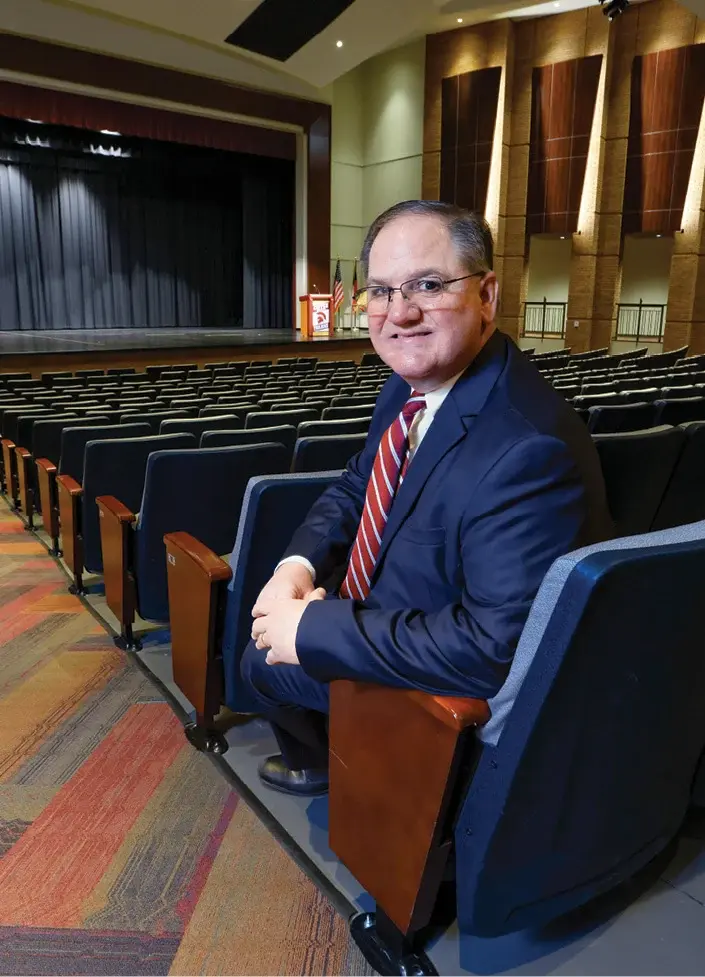
That’s the argument Dr. Morris C. Leis, former superintendent and Hilight’s Superintendent in Residence, explores in his new whitepaper, Moving the Flywheel: Teacher Recognition, Collective Teacher Efficacy, and Student Achievement.
Dr. Leis draws on decades of research in education and organizational leadership, along with lessons from his own career as a superintendent. He examines how recognizing educators well can become part of a much larger system for school improvement.
It starts with collective teacher efficacy.
One of the central ideas in the paper is collective teacher efficacy, or a staff’s shared belief that, together, they can overcome challenges and positively impact students.
Research cited by Dr. Leis identifies collective teacher efficacy as an especially powerful influence on student achievement. The real question is: How do school leaders actually build it?
Dr. Leis argues that recognition is one piece of that puzzle.
Not recognition as an occasional staff appreciation event, but purposeful, consistent recognition that reinforces the behaviors a school values, strengthens relationships between colleagues, and builds trust over time.
“Boss, it’s all about deposits.”
One of the most memorable lessons in the paper comes not from a research study, but from Dr. Leis’s own experience as a superintendent.
While visiting one of his district’s highest-performing elementary schools, he asked the principal, Jay Brinson, what made his school so successful.
His answer?
“Boss, it’s all about deposits.”
Brinson explained that he was constantly making “deposits” with his staff: thanking them, congratulating them, recognizing their work, and treating them well.
So when leadership eventually had to ask something difficult of the team, there was already trust in the bank.
Dr. Leis later came to understand that simple philosophy as part of something much bigger.
Recognition can help move the flywheel.
The paper ultimately connects recognition to Jim Collins’ concept of the flywheel effect: small, consistent actions that reinforce one another until they begin generating momentum.
In schools, Dr. Leis argues, recognition can help create that momentum.
Recognition reinforces positive behaviors and shared values. Those behaviors strengthen trust and collaboration. Stronger teams develop a greater belief in what they can accomplish together. And that collective belief creates better conditions for teaching and learning.
The result is a very different way of thinking about recognition.
Seen this way, recognition becomes not just a reward for the good work already happening in a school, but an investment in the good work still ahead.
In Moving the Flywheel, Dr. Leis explores the research behind that connection, what decades of work on professional learning communities, trust, leadership, and collective efficacy can teach school leaders, and how his own experiences as a superintendent brought those ideas to life.
It’s an idea we hold onto at Hilight too. The good already happening in a school rarely needs to be manufactured, just noticed and named consistently enough to build on. Dr. Leis’s research suggests that noticing might be more strategic than most leadership playbooks give it credit for.

For school and district leaders thinking seriously about culture, teacher effectiveness, and student outcomes, this whitep
aper is worth spending real time with.


Comments